


The study introduced the AVaTAR procedure for congenital heart defects, showing that it creates a functional semilunar valve reconstruction that can adapt to a child's growth while maintaining proper function.

We found very promising results in our in vivo test in porcine model, with the neo-valves showing no significant stenosis or regurgitation.
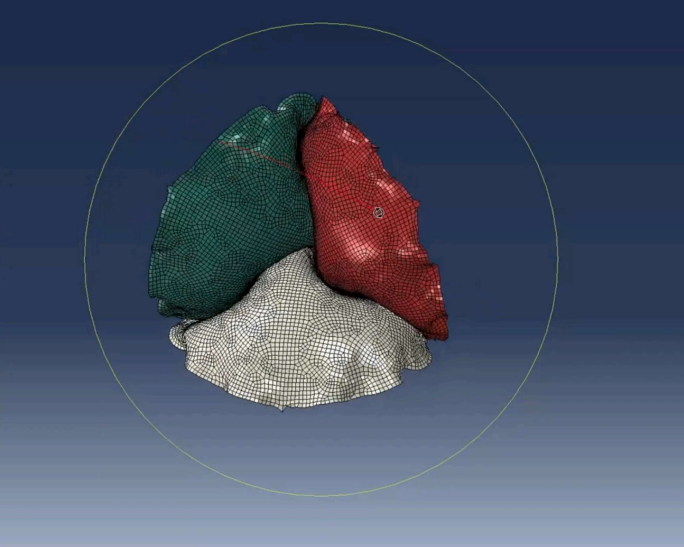
We found promising results in our in silico simulations, demonstrating progressive geometric adaptation of oversized leaflets while maintaining effective coaptation and valve competence during simulated somatic growth.

Our neo-valves have unique features that allow for accommodation to growth in pediatric patients. Mid-term follow-up shows promising results and encourages us to keep moving forward.


